






Global Brands in Latin America and the Market Share of Asphalt Plant Manufacturers
As Latin America continues to invest heavily in road construction, urban infrastructure, and logistics connectivity, demand for asphalt plants is steadily rising. From Mexico to Chile, both public and private contractors are expanding capacity and upgrading their production technology. Amid this expansion, global manufacturers are competing to capture market share by offering advanced features, localised service, and flexible solutions such as the mini asphalt plant.
This article explores the competitive landscape of asphalt plant manufacturers in Latin America, key market trends, and what buyers should consider when choosing an asphalt plant for sale.

[edit] Overview of the Latin American Asphalt Plant Market
The Latin American construction industry is currently experiencing a shift toward modernisation. Governments are prioritising infrastructure rehabilitation and connectivity projects, which has led to growing demand for efficient and environmentally friendly asphalt production systems.
Countries such as Brazil, Peru, and Colombia are seeing rising investment in road networks, driving consistent demand for stationary and mini asphalt plant models. Unlike the past, where imported equipment dominated, today’s market features a mix of global brands and emerging local manufacturers competing for share through price, innovation, and service support.
[edit] Key Market Drivers
- Public Infrastructure Investment: National road and highway expansion projects are fueling asphalt plant demand.
- Urban Development: Rapid urbanisation and housing projects require efficient asphalt mixing solutions.
- Sustainability Regulations: Governments are pushing for lower emissions and recycling of asphalt materials, boosting demand for modern, eco-friendly plants.
[edit] Global Brands Competing in the Region
Several international brands have established a strong presence across Latin America by offering high-performance asphalt plant for sale models with localised service networks. These include manufacturers from Europe, China, and the United States, each bringing unique technological strengths.
[edit] European Manufacturers
European brands are known for their advanced automation, precision mixing, and environmental compliance. Their asphalt plant designs often feature cutting-edge control systems and energy-efficient burners. While the initial investment is high, these systems deliver consistent performance and durability, making them popular among large-scale contractors and government projects.
[edit] Asian Manufacturers
Asian suppliers, particularly from China, have gained a growing foothold in the region. They offer cost-effective and adaptable solutions suitable for a wide range of projects—from large infrastructure developments to smaller municipal road repairs. The mini asphalt plant segment has been especially successful, as its mobility and compact design align well with the diverse geography of Latin America.
[edit] Local and Regional Competitors
In recent years, several Latin American manufacturers have entered the market by producing customised asphalt plants suited to local conditions. These companies compete primarily on affordability, after-sales service, and quick spare parts availability. They may lack the advanced automation of global brands, but they often excel in service responsiveness and familiarity with local regulations.
[edit]
While exact market share varies by country, global brands still hold the majority position in high-capacity plant sales, while regional players dominate the small-scale and mini asphalt plant categories.
- Brazil remains the largest single market in Latin America, driven by continuous investment in highway networks and airport infrastructure.
- Chile and Peru have become emerging hotspots due to their mining and logistics projects, which require portable asphalt plant for sale models.
- Colombia and Mexico are seeing growing demand for mobile and modular plants that support scattered rural road projects.
Global players tend to lead in high-end segments, while Asian and local brands compete aggressively in the mid- and entry-level categories. This competitive balance is pushing the overall industry toward higher efficiency and better cost-performance ratios.

[edit] Technology and Innovation as Competitive Advantages
Technology is a key differentiator in the asphalt equipment market. Top manufacturers are focusing on developing smarter systems that enhance control, reduce waste, and improve sustainability.
[edit] Core Technological Trends
- Automation and Digital Control: Real-time monitoring and remote operation allow precise control of mix quality and temperature.
- Energy Efficiency: Advanced burner systems lower fuel consumption and operational costs.
- Recycling Integration: The ability to use recycled asphalt pavement (RAP) helps meet environmental targets.
- Compact and Modular Design: Particularly relevant for mini asphalt plant models, modularity makes transportation and installation faster and cheaper.
These innovations not only improve performance but also align with Latin America’s push toward greener and more efficient construction practices.
[edit] Factors Influencing Purchase Decisions
When evaluating an asphalt plant for sale, contractors in Latin America increasingly look beyond the initial purchase price. Key considerations include:
- After-Sales Support: Availability of spare parts and on-site service.
- Operational Cost: Fuel efficiency, maintenance intervals, and ease of operation.
- Scalability: The ability to expand or relocate the plant based on project needs.
- Brand Reputation: Proven reliability and customer satisfaction in similar regional conditions.
For small contractors, the mini asphalt plant offers an excellent entry point due to its lower investment and quick setup time, making it ideal for decentralised road maintenance projects.
[edit] The Future of Asphalt Plant Manufacturing in Latin America
The Latin American asphalt plant market is moving toward greater diversity and technological maturity. Global manufacturers will continue to dominate the premium segment, while local and regional players expand through affordability and service strength.
As road construction projects become more data-driven and environmentally regulated, the next phase of competition will centre on digitalisation, automation, and sustainability. Buyers who invest in modern asphalt plant technologies today will be better positioned to meet the evolving standards and demands of tomorrow’s infrastructure projects.
[edit] Conclusion
Latin America’s infrastructure growth has created a highly competitive environment for asphalt plant manufacturers. While global brands lead in technology and reliability, regional companies are catching up through customisation and localised service. For buyers, the best choice depends on balancing quality, cost, and operational needs—whether opting for a large-scale production facility or a mini asphalt plant that delivers flexibility and efficiency. Ultimately, success in this market comes down to investing not just in equipment, but in long-term performance and strategic value.
[edit] Related articles on Designing Buildings
- A Short Overview Of An Asphalt Batching Plant Workflow
- A Summary of Concrete Plants: Advantages, Applications, and Types
- Adapting To Site Conditions And Improving Efficiency In Complex Latin American Terrain
- Asphalt mixing plant types and considerations
- Can a Mobile Asphalt Plant Mix While Moving?
- Case Studies of Peru and Colombia: The Impact of Policies on Crushing Station Procurement
- Component parts of a mobile concrete plant
- Concrete batching plants
- Concrete batching plants; technical requirements for large-scale infrastructure projects
- Concrete boom pumps
- Concrete Pump Selection and Efficiency Improvement Strategies in Latin American High-Rise Building Construction
- Detailed Explanation of Pre-Installation Preparations for Aggregate Crushing Plants
- Does a Ready-Mix Concrete Plant Need to Use a Water Heater?
- Does the Installation of a Mobile Concrete Plant Require a Foundation?
- Fixed VS Mobile Asphalt Plants: Which is More Suitable for Project Contractors?
- How Chilean Projects Achieve Green And Intelligent Production With Concrete Batching Plants
- How Peruvian Crushing Plants Can Achieve High Capacity And Low Energy Use
- How to Configure Aggregate Production Lines to Achieve Maximum Benefits
- How to Reduce the Energy Consumption of Drum Asphalt Plants?
- Investing in a Portable Concrete Plant
- Is a Self-Loading Concrete Mixer Suitable for Rugged Environments?
- Mobile asphalt stations
- Multi-Point Mobile Stone Crushers Under Dispersed Raw Material Distribution
- Potential environmental and circular economic value of concrete pumps
- Ready-Mix Vs Conventional Batching Plants: Intelligent Control Differences
- Self-loading concrete mixers
- Self-loading concrete mixer training and team management
- Small Concrete Plants vs Large Plants: Which One is More Suitable for Your Project Needs?
- Social Responsibility and Sustainability in Stone Crushing Plants in Latin America
- Technical Engineer's Perspective: Performance of Concrete Trailer Pumps in High-Rise Buildings
- The Impact of the Accuracy of the Weighing System on Asphalt Plants
- Top Rated Concrete Mixer Truck Parts In Your Town
- Tracked Mobile Aggregate Crusher Plant with Oil Electric Dual-use
- What Are the Basic Parameters of a Mobile Asphalt Plant?
- What Are The Hidden Advantages Of A Mobile Asphalt Plant That Can Be Remotely Monitored?
- Why Is the Concrete Trailer Pump Powerful?
- What to Look for in a Concrete Batching Plant
Featured articles
Check out some of the best features and news from Designing Buildings as well as key stories from around the web.
Mayors are to be given planning call in powers

Mayors across England will be able to make the most important planning decisions.

The Master Builder: William Butterfield and his times. Book review.

Why construction can't afford to ignore the skills gap.
Building Safety Regulator, 19 August

Gill Kernick appointed Independent Chair of Residents’ Panel.
Connecting knowledge, technology and conservation
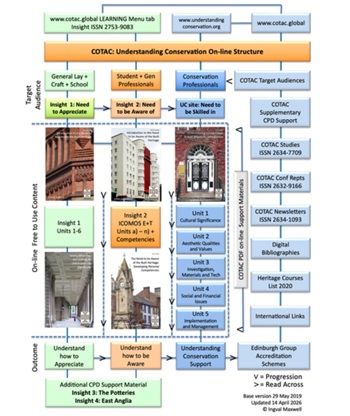
Building competence for the future of built heritage.
Building Regulations and Building Safety Act

CIOB publishes free advice for non-domestic clients.

Building Safety Newsletter from MHCLG.

An extraordinary record of steel engineering worldwide.
Households living near new pylons to save on bills.

ECA warns growth must not outpace grid capacity or skills.
The role of the client and decision making

CIOB response to built environment professions call for evidence.
Construction's sustainability reporting revolution
Tracking upfront embodied carbon with digital tools.